
Test, Don’t Guess: Why the DUTCH Test is a Game-Changer for Fertility
If you’ve been trying to conceive—or simply want to better understand your hormonal health—you’ve probably noticed how confusing fertility advice can be. Scroll through any fertility Facebook group and you’ll see it: endless guessing games, quick fixes, and partial testing that doesn’t tell the whole story.
The truth? If you’re serious about uncovering why your hormones aren’t cooperating, you need more than guesswork. You need real data.
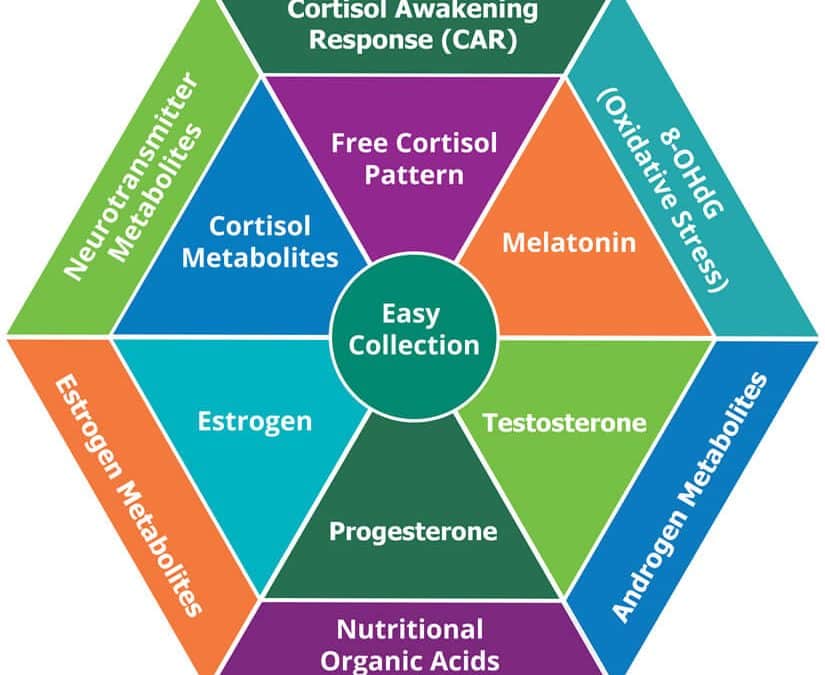
That’s why I recommend the DUTCH test—hands down, the gold standard for anyone struggling with fertility. Unlike basic bloodwork, this advanced urine test looks not only at your hormones, but also at how your body uses and metabolizes them. And that makes all the difference.
Why Hormones Matter for Fertility
Your hormones aren’t just numbers—they’re the conductors of your fertility symphony. Let’s break down the key players:
Progesterone: The Pregnancy Protector
-
Made after ovulation by the ovaries (and later by the placenta).
-
Prepares and maintains the uterine lining for implantation.
-
Low progesterone = poor follicle development, weak corpus luteum, and difficulty conceiving.
Symptoms of low progesterone include:
-
Anxiety
-
PMS/PMDD
-
Insomnia
-
Irritability
-
Heavy periods (menorrhagia)
-
Infertility
👉 On the DUTCH test, progesterone is assessed via urine metabolites (a-Pregnanediol & b-Pregnanediol), which correlate strongly with serum values.
Estrogen: The Growth Hormone
-
Produced mainly in the ovaries before menopause.
-
Regulates the growth and development of the reproductive system.
-
Broken down into metabolites (E1, E2, E3), each with different effects.
Symptoms of low estrogen:
-
Hot flashes, night sweats
-
Vaginal dryness, low libido
-
Bone loss, joint pain
-
Mood swings, brain fog
-
Weight gain
Symptoms of high estrogen:
-
Acne
-
Mood swings
-
Heavy or painful periods
-
Breast tenderness
-
Bloating and swelling
The DUTCH test doesn’t just measure estrogen—it shows how you metabolize it. High 4-OH and 16-OH estrogen metabolites, for example, may raise risk for tumors or hormone-related cancers, while 2-OH metabolites are more protective.
Testosterone: More Than Just “the Male Hormone”
-
In women, testosterone comes from both the adrenal glands and ovaries.
-
Supports egg development, libido, and even embryo quality.
Low testosterone symptoms:
-
Belly fat, low energy
-
Bone loss, low muscle mass
-
Low sex drive
-
Brain fog, mood issues
High testosterone symptoms:
-
Acne, excess facial/body hair
-
Thinning scalp hair
-
Aggression or irritability
Causes range from PCOS and insulin resistance to adrenal imbalances or nutrient deficiencies (like zinc). The DUTCH test helps pinpoint where the imbalance starts—adrenals, ovaries, or conversion issues.
Beyond the Basics: Why the DUTCH Test is Superior
Unlike standard bloodwork, the DUTCH test shows you the bigger picture of hormone function, including:
-
Pregnenolone: the “mother hormone” made from cholesterol. Low levels = weak foundation for progesterone, DHEA, and testosterone.
-
DHEA-S: your “storage form” of DHEA. Low levels mean you don’t have reserves to draw on when stressed.
-
Estrogen metabolism: identifies whether your body is pushing estrogen down protective or risky pathways.
-
Methylation status (COMT enzyme): essential for breaking down estrogen safely and for DNA synthesis (critical for conception).
-
Adrenal health: shows both free and metabolized cortisol to reveal hidden adrenal dysfunction.
-
Organic acids: insight into B-vitamin status, glutathione, oxidative stress, melatonin, and even DNA damage markers like 8-OHdG.
Why This Matters for Fertility
-
Oxidative stress damages eggs and embryos, increasing miscarriage risk.
-
Poor methylation reduces DNA integrity and implantation success.
-
Low pregnenolone or progesterone shortens the luteal phase, making it harder for a pregnancy to stick.
-
Adrenal dysfunction from chronic stress can deplete both DHEA and progesterone.
Even something as subtle as cholesterol imbalance or poor estrogen detox can be the hidden barrier preventing conception. The DUTCH test uncovers these layers.
DUTCH Cycle Mapping
For women who want to go deeper, DUTCH also offers Cycle Mapping. This charts estrogen and progesterone levels across the month, showing whether ovulation occurs and how strong the luteal phase is.
Example: If estrogen rises but progesterone lags, it may point to a luteal phase defect—a common, often overlooked fertility issue. Knowing this allows targeted support with herbs like vitex or maca, or medical interventions if needed.
Test, Don’t Guess
Fertility is complex—but with the right tools, it doesn’t have to be a mystery. The DUTCH test goes beyond “yes or no” answers to show exactly where your hormones are struggling and how to support them.
👉 That’s why I use it with my patients—not just to measure hormones, but to truly understand them.
Ready to Investigate Your Fertility?
Although my specialty is bladder pain syndrome, many of my patients also seek fertility support. If you’ve been trying to conceive without success—or if you’re ready to optimize your hormonal health before pregnancy—the DUTCH test may be the missing link.
📅 Book your Discovery Call today to learn how we can investigate your hormones and create a personalized fertility plan. Together, we’ll stop guessing and start uncovering the answers your body has been holding all along.